What Is Christian Religious Knowledge/Studies? Meaning, Scope and Areas of Study
Contents
Understanding Christian Religious Knowledge/Studies
Christian Religious Knowledge/Studies is a humanities discipline that focuses on the academic study of Christianity, its teachings, history, beliefs, practices and relationship with society. Although many students first encounter Christian Religious Studies at secondary school, university study takes the subject into a much wider academic setting.
Students are encouraged to examine Christian beliefs and biblical materials carefully while also considering the historical, cultural and social circumstances surrounding Christianity. The programme can therefore involve reading, interpretation, research, discussion and critical analysis.
What Students Learn
Biblical Studies
Biblical studies introduces students to the books, themes, teachings and contexts of the Bible. Students may learn how biblical texts can be interpreted while considering their historical and cultural backgrounds.
Christian Beliefs and Theology
The programme can examine major Christian beliefs and theological ideas. Students may encounter subjects relating to God, creation, salvation, the church, humanity and other central areas of Christian thought.
Christian Ethics
Christian ethics looks at questions of right and wrong from Christian perspectives. Students can examine moral behaviour, responsibility, relationships, justice and other issues affecting individuals and communities.
History of Christianity
The development of Christianity over time is another important area. Students can study major periods, movements and developments that have influenced Christian communities and institutions.
Christianity and Society
Religion interacts with the society in which it exists. For this reason, students may explore the relationship between Christianity and culture, education, politics, family life, social values and community development.
The Academic Side of the Course
University-level Christian Religious Knowledge/Studies is not simply about memorising religious information. Students are expected to read academic materials, investigate issues, compare interpretations and communicate their findings clearly.
This makes research and analytical thinking important parts of the programme. A student may be required to examine a religious issue from historical, textual, theological or social perspectives.
Who May Enjoy Studying It?
- Students interested in Christianity and religious studies.
- Learners who enjoy history and culture.
- Students who like reading and interpreting texts.
- People interested in moral and social questions.
- Students who enjoy research, discussion and academic writing.
- Learners interested in the relationship between religion and society.
Skills Students Can Build
The programme can help students develop research, communication, writing, interpretation and critical-thinking skills. These abilities are useful because graduates may need to examine information, explain ideas and communicate with different audiences.
Christian Religious Knowledge/Studies as an Arts and Humanities Course
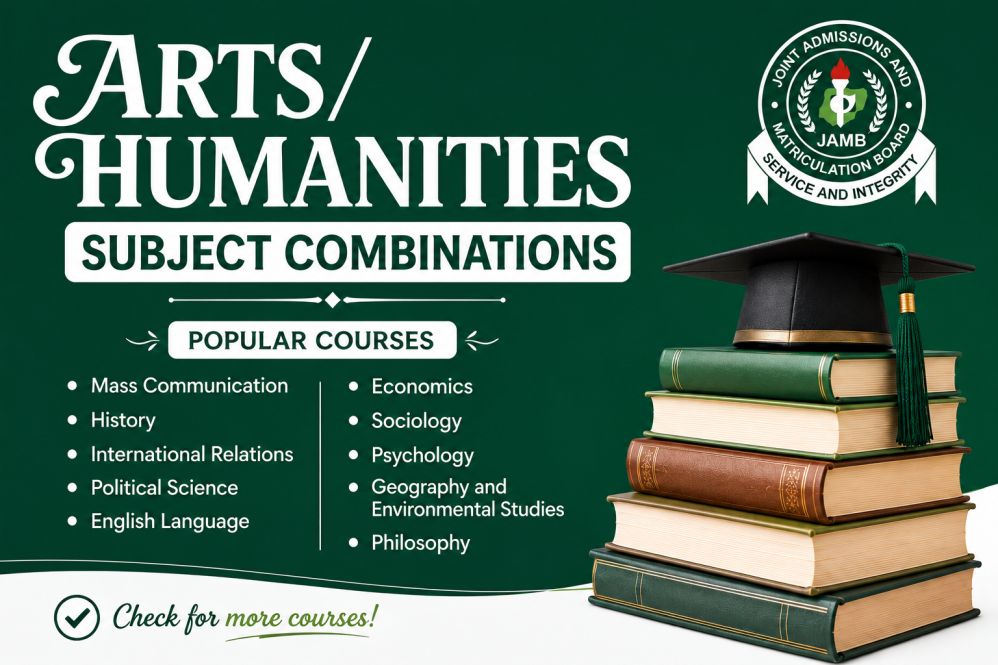
Within the JAMB brochure, Christian Religious Knowledge/Studies appears among the Arts/Humanities programmes. The institutions offering it may, however, have their own admission conditions, which is why candidates should always examine the requirements attached to their preferred school.
A Course That Goes Beyond the Classroom
Christian Religious Knowledge/Studies can give students an opportunity to understand Christianity within its wider historical and social setting. The programme combines subject knowledge with academic skills that can be useful in further study and different areas of professional life.
What to Take Away
Anyone considering the course should be prepared for a programme involving Christianity, biblical studies, theology, ethics, history, culture and society. It is particularly suitable for students who are curious about religion and enjoy exploring ideas through reading and research.
UTME2027 Editorial Team
The UTME2027 Editorial Team publishes accurate, timely and well-researched JAMB news, admission updates, CBT preparation guides and official educational information for Nigerian students. Every article is reviewed before publication to ensure accuracy and clarity.