English Language and Literature: What the Programme Involves and What Students Study
Contents
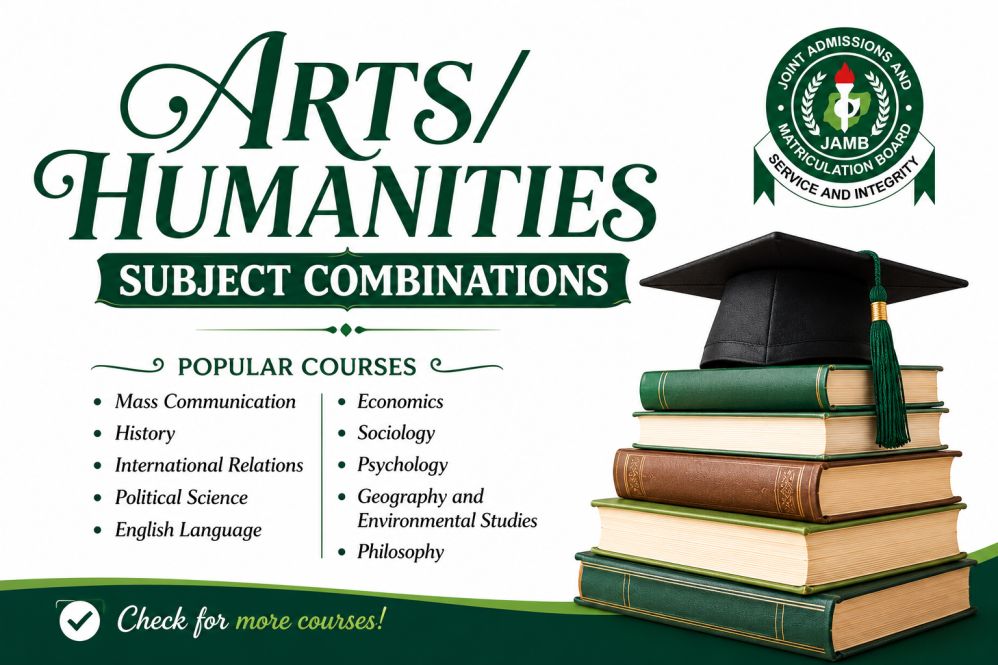
English Language and Literature is an Arts/Humanities programme that brings together the study of the English language and the study of literature. It provides an opportunity for students to examine how English is structured and used while also developing the ability to read, interpret and critically engage with literary works.
The JAMB brochure listsEnglish Language and Literature as one of the programmes under Arts/Humanities. It is presented as a distinct course from English Language, English Studies and English and Literary Studies, so candidates should pay attention to the exact programme title when making their choices.
What Do Students Study?
The programme combines two closely related areas. One side focuses on the English language, including how language is used to communicate ideas effectively. The other focuses on literature, where students engage with literary works and examine themes, characters, language, style and other elements of literary expression.
Students may therefore spend considerable time reading, analysing texts, writing assignments, conducting academic research and presenting arguments clearly. The balance between language and literature courses can depend on the university.
Major Areas of the Programme
- English language and usage
- Literary studies and textual analysis
- Written and oral communication
- Critical reading and interpretation
- Academic writing and research
- Language, expression and communication
Who May Enjoy English Language and Literature?
The programme may be particularly suitable for students who enjoy reading, writing, analysing texts and expressing ideas. Students who are naturally interested in language, stories, poetry, drama and the way writers use words may also find the combination appealing.
Skills Students Can Develop
Beyond subject knowledge, the programme can help students developcommunication, research, writing, critical thinking, reading and analytical skills. These abilities can be useful in academic work and in professional environments where clear communication is important.
English Language and Literature Is Not the Same as Every English-Related Course
Candidates should avoid treating all programmes containing the word "English" as identical. The brochure separately lists English Language, English Language and Literature, English Studies and English and Literary Studies. The specific course selected should therefore be matched with its own admission information.
Before You Choose the Programme
Students considering English Language and Literature should look beyond the course name and examine the structure of the programme at their preferred institution. This helps them understand the particular balance between language and literature that they will encounter.
For additional information on the programme listing and admission conditions, candidates can consult the document below.

UTME2027 Editorial Team
The UTME2027 Editorial Team publishes accurate, timely and well-researched JAMB news, admission updates, CBT preparation guides and official educational information for Nigerian students. Every article is reviewed before publication to ensure accuracy and clarity.