History/International Studies: What the Programme Involves and What Students Study in Art/Humanities
Contents
History and International Studies combines the study of historical events, societies and developments with the study of international affairs and relations among countries and other actors. It gives students an opportunity to examine the past while also understanding issues that shape interactions in the international community.
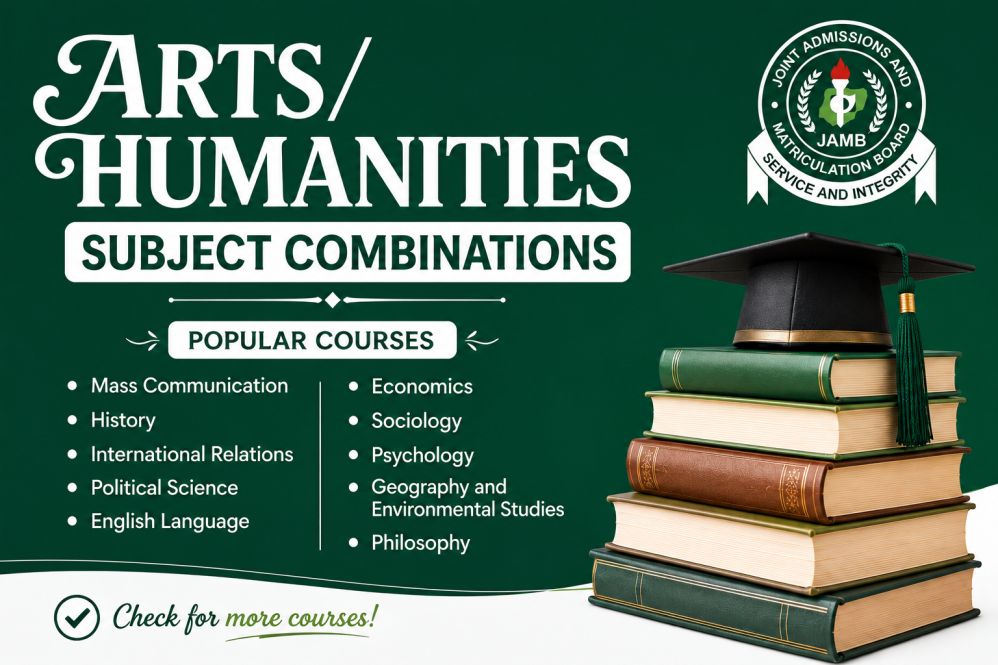
The JAMB brochure places History/International Studies among the programmes listed under Arts/Humanities. It also lists the programme separately from History, History and Diplomacy, History and Diplomatic Studies, History and Strategic Studies, and other related programmes.
What Students Study
The programme brings together historical study and international studies. Students may examine historical developments, political events, societies, institutions, international affairs and the factors that influence relationships between countries.
- Historical events and developments
- International affairs
- Relations between countries and institutions
- Political and social developments
- Historical research and interpretation
- International issues and contemporary affairs
- Communication and analytical work
The History Component
The history aspect helps students understand how societies and institutions developed over time. It involves examining events, people, ideas and developments and considering how the past influences later developments.
The International Studies Component
The international studies side broadens the programme beyond historical events. Students develop an understanding of issues involving countries, international interactions and developments that cross national boundaries.
Who May Be Interested in the Programme?
History and International Studies may appeal to students who enjoy History, Government, current affairs, international issues, reading and research. Students should also be comfortable analysing information and expressing ideas clearly.
Skills Students Can Develop
The programme can help students develop research, critical thinking, written communication, information analysis and presentation skills. These abilities can be useful in academic, public-sector, media, research and other professional environments.
A Programme with a Broad Humanities Focus
Although the course has a strong historical foundation, its international dimension gives it a wider scope. Students are exposed to both past developments and issues concerning international affairs.
Before Choosing the Course
Candidates should check the exact course title and institution when making admission decisions. The brochure treats History/International Studies as a distinct programme, so requirements for another similarly named History or International Relations course should not automatically be applied to it.
For additional information on the admission conditions, candidates can refer to the document below.
UTME2027 Editorial Team
The UTME2027 Editorial Team publishes accurate, timely and well-researched JAMB news, admission updates, CBT preparation guides and official educational information for Nigerian students. Every article is reviewed before publication to ensure accuracy and clarity.