Igbo/Linguistics: What the Programme Involves and What Students Study in Art/Humanities
Contents
Igbo/Linguistics is an interdisciplinary programme that brings together the study of the Igbo language and the scientific study of language. It allows students to explore the structure, use, development and cultural dimensions of Igbo while also examining broader principles of human language.
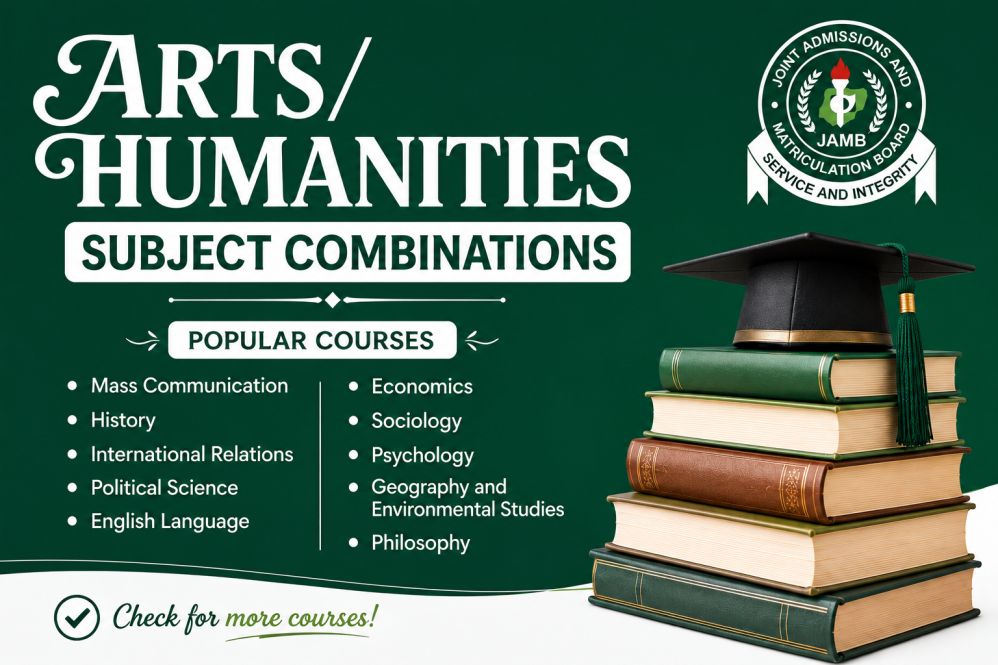
The JAMB brochure includes Igbo/Linguistics among the programmes listed under Arts/Humanities. It appears as programme number 41 in the Faculty/School/College of Arts grouping.
What Is Igbo/Linguistics About?
The programme combines two closely connected areas. The Igbo component focuses on the language itself, while Linguistics provides a systematic approach to understanding how language works.
Students can therefore examine Igbo from both a language-specific and a broader linguistic perspective. This can involve looking at how words and sentences are formed, how sounds are produced, how meaning is communicated and how language operates within society and culture.
What Students May Study
Areas that may form part of an Igbo/Linguistics programme include:
- Igbo language
- General linguistics
- Phonetics and phonology
- Morphology
- Syntax
- Semantics
- Language and society
- Language and culture
- Igbo literature and oral traditions
- Language documentation and preservation
- Language development
- Communication and language use
The exact courses and arrangement will depend on the institution and its programme structure.
Why Combine Igbo with Linguistics?
Studying Igbo alongside Linguistics gives students an opportunity to understand their language beyond everyday communication. They can examine the patterns and rules that make the language function while also considering its cultural and social significance.
The Linguistics component can also introduce students to methods used to analyse languages generally. This makes the programme broader than the study of vocabulary or spoken Igbo alone.
Who May Be Interested in Igbo/Linguistics?
The course may suit students who have a strong interest in Igbo language, Nigerian languages, culture, communication, literature or language analysis. It may also appeal to students who enjoy understanding how people communicate and how languages develop and change.
Skills You Can Develop
Students can develop skills in language analysis, research, writing, communication, critical thinking and interpretation. Familiarity with linguistic concepts can also help students examine language-related issues in a more structured way.
Where the Programme Fits
One important point for admission seekers is the programme's classification. The JAMB Arts/Humanities list places Igbo/Linguistics alongside other Arts programmes rather than treating it as a purely general Linguistics programme.
Before choosing the course, candidates should also check the exact institutional entry information because related programmes such as Igbo, Linguistics and Linguistics, Igbo and Other African Languages appear as separate entries in the admission document.
What Candidates Should Keep in Mind
Igbo/Linguistics offers a combination of language-specific knowledge and wider linguistic study. For students interested in Igbo and the structure of human language, it can provide a useful academic foundation for further study and language-related professional work.
For additional admission details, candidates can refer to the document below.
UTME2027 Editorial Team
The UTME2027 Editorial Team publishes accurate, timely and well-researched JAMB news, admission updates, CBT preparation guides and official educational information for Nigerian students. Every article is reviewed before publication to ensure accuracy and clarity.