International and Comparative Politics Career/Job Opportunities for Graduates
Contents
Studying International and Comparative Politics can prepare graduates for careers that involve political analysis, government, public affairs, research, international development and related areas. Because the programme combines the study of political systems with international and comparative perspectives, graduates can build skills that are useful in different professional environments.
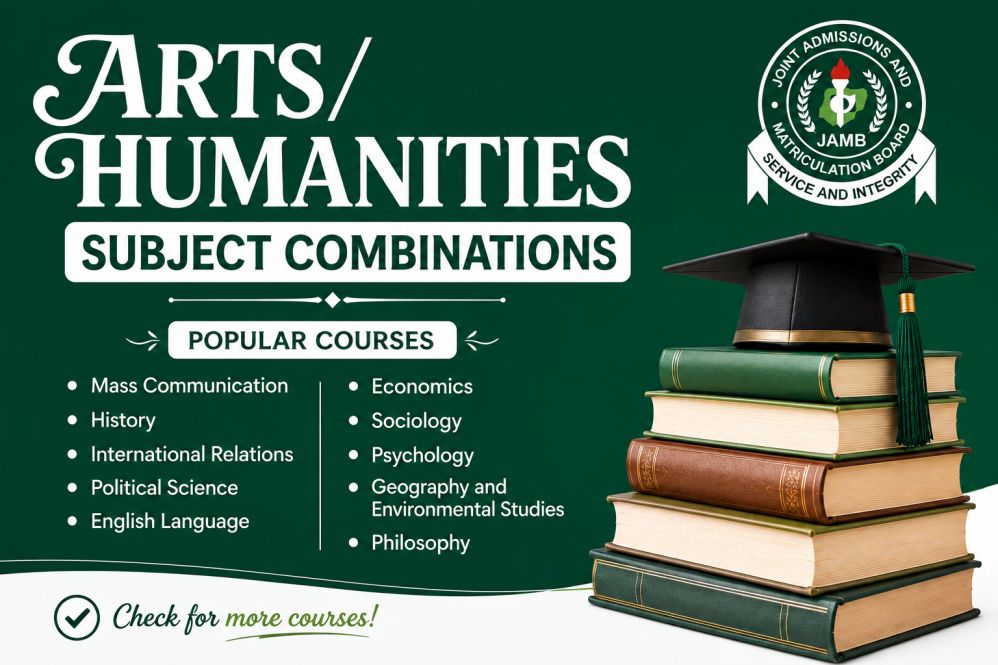
The JAMB brochure places International and Comparative Politics within the Arts/Humanities grouping. The skills developed through the programme can therefore be applied across several areas where understanding political institutions, government and international affairs is important.
Career Areas for Graduates
A graduate may explore opportunities in areas such as:
- Government and public administration
- Political research
- International affairs
- Public policy
- Diplomatic and foreign affairs support
- Non-governmental organisations
- International development organisations
- Research institutions and think tanks
- Media and political communication
- Public affairs
- Advocacy and civil society
- Education and academic research
Possible Jobs
Depending on their qualifications, experience and area of specialisation, graduates may pursue roles such as:
- Political Research Assistant
- Policy Research Assistant
- Public Affairs Officer
- Programme Officer
- Research Officer
- International Development Officer
- Government Affairs Assistant
- Political Analyst
- Project Officer
- Advocacy Officer
- Administrative Officer
- Communications Officer
Some positions, particularly in specialised international, diplomatic, research or policy environments, may require additional professional experience or postgraduate qualifications.
Government and Public Administration
One possible direction is public service. Graduates can apply their understanding of political institutions, government and public affairs to administrative, policy and programme-related roles. Their ability to analyse political information can also be useful when working with government programmes and public institutions.
International Development and NGOs
International and Comparative Politics can also provide a foundation for work with non-governmental organisations, development agencies and civil society organisations. Such organisations often work on governance, development, conflict, human rights, public policy and community-related issues.
Research and Political Analysis
Students who enjoy research may find opportunities in political research, policy analysis, think tanks and academic institutions. The comparative nature of the programme can be particularly useful when examining political systems, elections, institutions, governance and political developments across different countries or regions.
Media and Public Affairs
Graduates with strong communication and analytical abilities may also explore media, political communication and public affairs. Understanding how political institutions work can help professionals interpret political events and communicate complex public issues to wider audiences.
Further Study
A graduate who wants to specialise further may consider postgraduate study in areas connected with political science, international relations, diplomacy, public policy, development studies, peace and conflict studies or related disciplines, depending on the admission requirements of the institution offering the postgraduate programme.
Making the Right Career Decision
The programme does not restrict graduates to one job title. Career direction can depend on the student's interests, additional qualifications, work experience and professional development. A student interested in diplomacy may build toward international affairs, while another may focus on research, government, public policy, development or political communication.
The document below contains further admission information candidates may find useful.
UTME2027 Editorial Team
The UTME2027 Editorial Team publishes accurate, timely and well-researched JAMB news, admission updates, CBT preparation guides and official educational information for Nigerian students. Every article is reviewed before publication to ensure accuracy and clarity.