What Is International and Comparative Politics? Understanding the Art/Humanities Programme
Contents
International and Comparative Politics is a programme that examines how political systems operate within and across countries. It brings together the study of politics, international affairs and comparative analysis to help students understand how governments, political institutions and societies interact at both domestic and international levels.
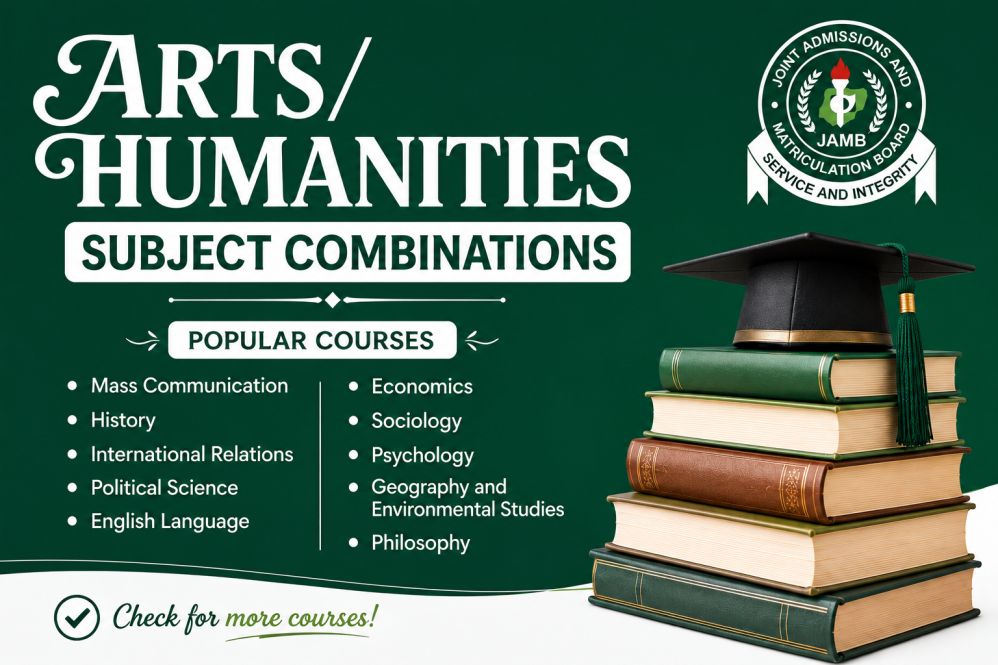
The programme is listed under Arts/Humanities in the JAMB admission brochure, where International and Comparative Politics appears among the programmes in the Faculty/School/College of Arts. The brochure lists the programme as course number 43 in this academic grouping.
What Is International and Comparative Politics?
International and Comparative Politics focuses on the study and comparison of political systems, institutions, governments and political behaviour in different countries. Rather than looking at one political system alone, students are introduced to different political experiences and learn how to identify similarities, differences and patterns.
The international dimension also exposes students to relationships between countries and the political issues that influence the global community. Students may develop an understanding of diplomacy, international cooperation, conflict, foreign policy, political institutions and the way countries respond to major global developments.
What Students May Study
The programme can cover several connected areas of political and international studies, including:
- Comparative political systems
- Political institutions and government
- International politics
- International relations
- Comparative government
- Foreign policy
- Diplomacy and international cooperation
- Political behaviour
- Conflict and political change
- Global political issues
- Political development
- Regional and international organisations
What Makes the Course Different?
A major feature of International and Comparative Politics is the comparative approach. Students do not simply learn how a particular government works; they can examine different political systems and consider why political institutions, policies and outcomes vary from one country to another.
The international aspect also gives the programme a wider perspective. Political decisions made in one country can affect neighbouring countries and the wider international community, making the study of cross-border political relationships an important part of the field.
Who May Be Interested in This Programme?
International and Comparative Politics may appeal to students who are interested in government, politics, international affairs, diplomacy, public policy, history and global issues. It can also suit students who enjoy analysing political events, comparing societies and discussing how governments and institutions respond to challenges.
Skills Students Can Develop
Through the study of the programme, students can develop skills such as political analysis, research, critical thinking, communication, argumentation, interpretation of political information and comparative analysis. These skills can be useful beyond the classroom and in a range of careers connected with politics, government, research and international affairs.
Understanding the JAMB Classification
Candidates should note that the JAMB brochure specifically places International and Comparative Politics within the Arts/Humanities section of the provided admission document. The programme appears alongside other Arts/Humanities programmes rather than being treated as a generic course classification that must apply to every institution.
What Candidates Should Keep in Mind
International and Comparative Politics is suitable for students who want to understand political systems from both domestic and international perspectives. Before selecting the programme, candidates should also check the institution-specific admission information because the JAMB brochure treats admission requirements according to the particular programme and institution listed.
For additional admission details, candidates can refer to the document below.
UTME2027 Editorial Team
The UTME2027 Editorial Team publishes accurate, timely and well-researched JAMB news, admission updates, CBT preparation guides and official educational information for Nigerian students. Every article is reviewed before publication to ensure accuracy and clarity.