International Studies and Diplomacy Career/Job Opportunities for Graduates
Contents
A degree in International Studies and Diplomacy can provide a foundation for careers connected with international affairs, government, diplomacy, research, development and public affairs. The programme's focus on international relationships and diplomatic issues can help graduates develop analytical and communication skills that are useful in several professional settings.
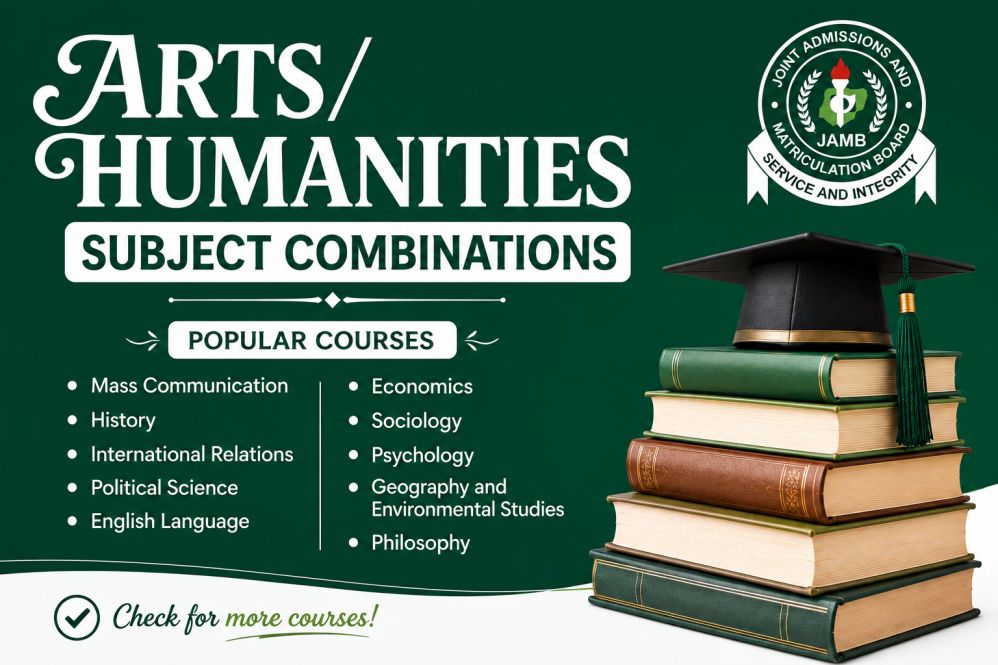
The JAMB brochure places International Studies and Diplomacy within the Arts/Humanities grouping.
Where Can Graduates Work?
Graduates may explore opportunities across a range of sectors, depending on their additional qualifications, experience and area of interest. Possible areas include:
- Government and public administration
- Diplomatic and foreign affairs services
- International organisations
- Non-governmental organisations
- International development
- Research and policy institutions
- Public affairs
- Political and international analysis
- Media and communications
- Advocacy and civil society
- Education and academic research
Possible Career Roles
Depending on professional qualifications and experience, graduates may work towards roles such as:
- International Affairs Officer
- Programme Officer
- Research Officer
- Policy Research Assistant
- Public Affairs Officer
- Project Officer
- Diplomatic Affairs Assistant
- Development Programme Officer
- Advocacy Officer
- Communications Officer
- Administrative Officer
Some specialised diplomatic, policy, research and international development positions may require further professional training or postgraduate qualifications.
Diplomacy and Foreign Affairs
One natural career direction is diplomacy and foreign affairs. Graduates with a strong interest in international relations can develop careers involving government relations, international cooperation, diplomatic communication and analysis of foreign affairs.
International Development
Another possible direction is international development. Organisations working on development, governance, humanitarian programmes and related international issues may require people who understand international affairs and can research, coordinate and communicate effectively.
Research and Policy
Students who enjoy analytical work can consider research institutions, think tanks and policy-related organisations. Their training can be useful when examining international events, government policies, diplomatic developments and global issues.
Public Affairs and Communication
The communication skills developed through the programme may also be useful in public affairs, advocacy, media and organisational communications. Graduates who can explain complicated international issues clearly may find opportunities in roles where research and communication are combined.
Further Education
Graduates who wish to specialise may consider postgraduate study in fields such as international relations, diplomacy, international development, peace and conflict studies, strategic studies, public policy or related areas, subject to the requirements of the institution offering the programme.
Building a Career Beyond the Degree
The degree itself does not limit a graduate to one occupation. Professional experience, additional training, postgraduate education, language skills and specialised knowledge can influence the direction a graduate eventually takes.
The document below contains further admission information candidates may find useful.
UTME2027 Editorial Team
The UTME2027 Editorial Team publishes accurate, timely and well-researched JAMB news, admission updates, CBT preparation guides and official educational information for Nigerian students. Every article is reviewed before publication to ensure accuracy and clarity.