Mass Communication: Meaning, What the Course Covers and What You Should Know
Contents
What Does Mass Communication Mean?
Mass Communication is the study of how information, ideas, news and messages are created, organised and communicated to large audiences through different media channels. These channels may include television, radio, newspapers, magazines, websites, social media and other digital platforms.
The course is not limited to becoming a journalist. It covers different aspects of communication and media, allowing students to understand how information is gathered, produced, presented and received by audiences.
What Do You Learn in Mass Communication?
Depending on the university and the structure of the programme, students may be introduced to journalism, broadcasting, media writing, communication theories, advertising, public relations, media production, research, digital communication and audience studies.
Students can also learn how media organisations operate and how communication can be used to inform, educate, entertain and influence public discussion.
Major Areas You May Encounter
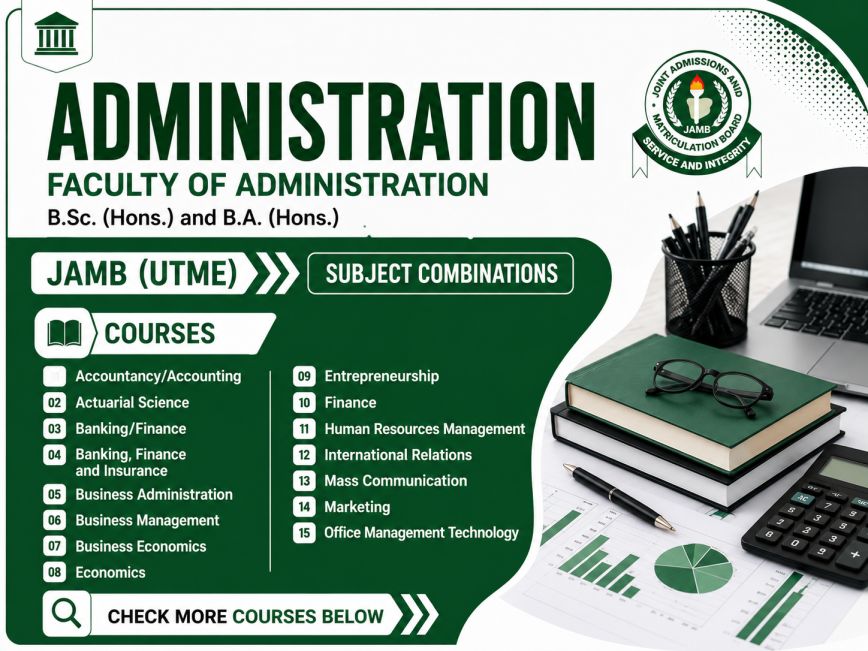
- Journalism and news reporting
- Broadcasting
- Radio production
- Television production
- Print media
- Digital media
- Advertising
- Public relations
- Media research
- Media writing and editing
- Content development
- Strategic communication
Is Mass Communication Only About Writing?
No. Writing is an important part of the course, but Mass Communication can involve speaking, interviewing, research, presentation, audio production, video production, editing, audience analysis and digital content creation.
This makes the programme relevant to students who are interested in different forms of communication rather than only traditional newspaper journalism.
What Kind of Student May Enjoy the Course?
Mass Communication may interest students who enjoy reading, writing, current affairs, storytelling, speaking, research, media, technology and interacting with people. Curiosity is also useful because communication work often involves asking questions, finding information and presenting it clearly.
What Makes the Course Broad?
One of the notable features of Mass Communication is that it connects communication theory with practical media activities. A student may develop an understanding of how messages work while also learning how to produce or present those messages through different media channels.
The exact subjects and practical activities will depend on the university, so candidates should also check the curriculum of the institution they intend to attend.
UTME2027 Editorial Team
The UTME2027 Editorial Team publishes accurate, timely and well-researched JAMB news, admission updates, CBT preparation guides and official educational information for Nigerian students. Every article is reviewed before publication to ensure accuracy and clarity.