Modern European Languages Career/Job Opportunities for Graduates
Contents
A degree in Modern European Languages can give graduates language and communication skills that may be useful across several professional areas. The opportunities available can depend on the language or languages studied, level of proficiency and any additional professional qualifications acquired.
Career Areas to Consider
- Language teaching
- Translation and language services
- Interpretation-related work
- Publishing and editing
- International communication
- Media and communication
- Tourism and hospitality
- Cultural organisations
- International organisations
- Research and academic work
Teaching and Education
Graduates with strong proficiency in a European language may pursue teaching-related opportunities, subject to the professional requirements attached to the particular teaching position.
Translation and Language Services
Language proficiency can be useful in translation and other multilingual services. Graduates who develop strong writing and comprehension skills may work with organisations that need information communicated across different languages.
Publishing, Editing and Communication
The ability to work carefully with language can also be useful in publishing, proofreading, editing, content development and communication-related roles.
Tourism and International Communication
Knowledge of European languages can be valuable in environments where professionals interact with visitors, clients, organisations or partners from different countries. This may create opportunities in tourism, hospitality and international-facing organisations.
Skills That Can Improve Your Prospects
- Strong spoken and written language ability
- Excellent communication skills
- Cultural awareness
- Research and writing skills
- Translation ability
- Digital communication skills
Learning an additional language beyond the main programme language can also broaden the range of language-based opportunities a graduate can consider.
Further Study
Graduates may continue into postgraduate study or professional training in language studies, translation, international communication, education, literature, cultural studies or related areas, depending on their academic interests and the programmes available to them.
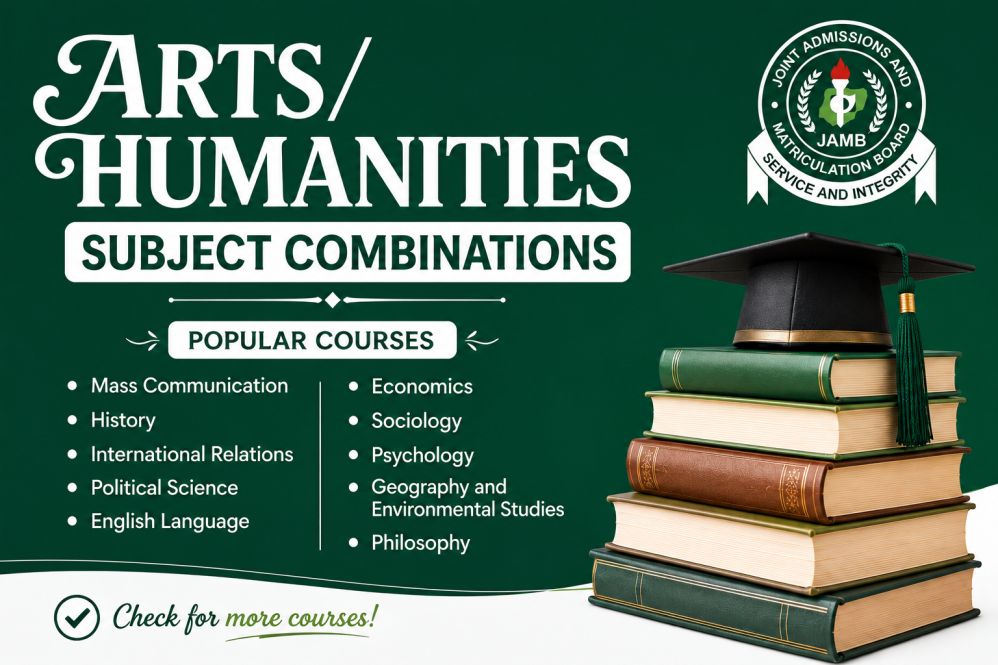
Modern European Languages is officially grouped within the Art/Humanities section of the JAMB brochure, alongside other language-focused programmes.
For more information on the programme and the admission information available for it, candidates can refer to the document below.
UTME2027 Editorial Team
The UTME2027 Editorial Team publishes accurate, timely and well-researched JAMB news, admission updates, CBT preparation guides and official educational information for Nigerian students. Every article is reviewed before publication to ensure accuracy and clarity.