Portuguese Career/Job Opportunities: Where Can Graduates Work?
Contents
A degree in Portuguese gives students specialised language and communication abilities that can be applied in different professional settings. Beyond speaking and writing, students can develop research, cultural awareness, analytical and interpersonal skills that may support a variety of career directions.
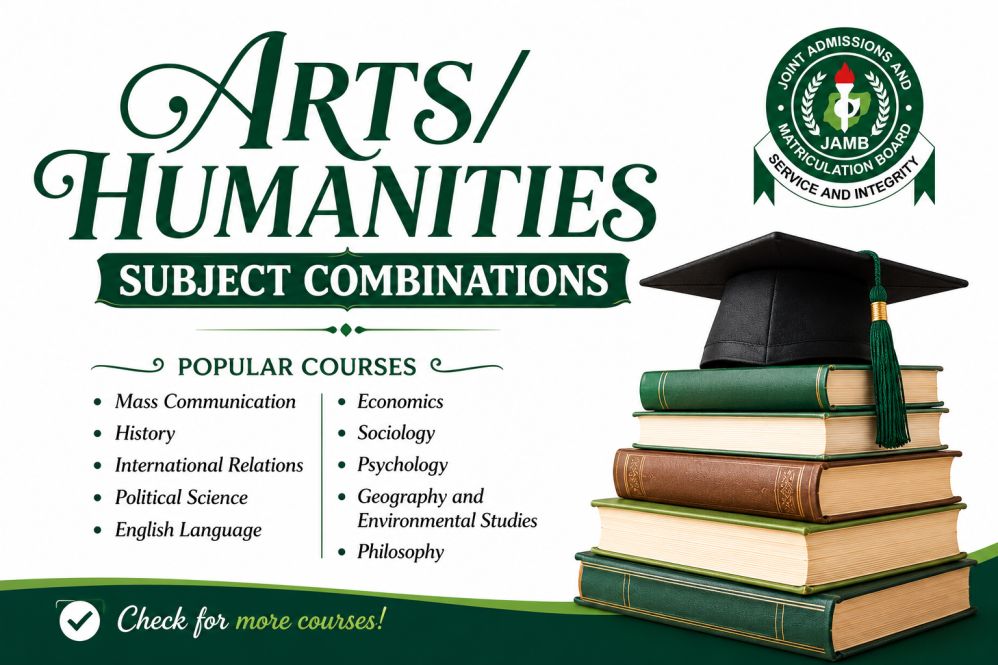
Because Portuguese is studied as a language programme within Art/Humanities, graduates can build careers around language services, education, communication, cultural activities and related fields.
Possible Career Areas for Portuguese Graduates
- Language teaching
- Translation
- Interpretation
- Writing and editing
- Publishing
- Media and communication
- Tourism and hospitality
- International communication
- Research and academic work
- Administrative and communication roles
- Cultural and language-related organisations
Teaching and Education
Graduates who enjoy teaching may pursue opportunities in language education. Those who want to build a long-term career in teaching may also undertake relevant professional or postgraduate training where required.
Translation and Interpretation
Language proficiency can provide a foundation for work in translation and interpretation. Graduates interested in this area can strengthen their prospects by developing advanced Portuguese proficiency, strong English communication skills and practical translation experience.
Communication and Media
The communication skills developed through a language degree can also be useful in writing, editing, content development, publishing and other communication-related roles. Additional digital and media skills can make this pathway broader.
International and Cross-Cultural Work
Portuguese can be particularly relevant to people interested in communication across different linguistic and cultural environments. Graduates may explore opportunities connected with international communication, cultural exchange, tourism and organisations that work across borders.
Research and Further Study
A Portuguese graduate can also continue into postgraduate study in relevant language, literature, linguistics, translation, communication or related humanities fields, depending on the requirements of the programme being considered.
Skills That Can Improve Career Prospects
- Advanced Portuguese proficiency
- Strong English communication
- Translation ability
- Research and writing
- Digital communication
- Interpersonal skills
- Cross-cultural awareness
Building Beyond the Degree
The degree provides a foundation, but practical experience can make a significant difference. Students can strengthen their career profile by developing communication skills, gaining practical exposure and specialising in an area such as teaching, translation, interpretation, media or international communication.
The JAMB brochure confirms Portuguese as a distinct Art/Humanities programme, while the career paths themselves depend on the graduate's skills, experience and further professional development.
For additional information about the programme and its admission conditions, candidates can refer to the document below.
UTME2027 Editorial Team
The UTME2027 Editorial Team publishes accurate, timely and well-researched JAMB news, admission updates, CBT preparation guides and official educational information for Nigerian students. Every article is reviewed before publication to ensure accuracy and clarity.