Religion and Philosophy Career/Job Opportunities for Graduates
Contents
A degree in Religion and Philosophy combines the study of religious thought with philosophical inquiry. The programme can develop abilities in research, analysis, interpretation, communication and critical reasoning, giving graduates a range of skills that can be useful beyond the classroom.
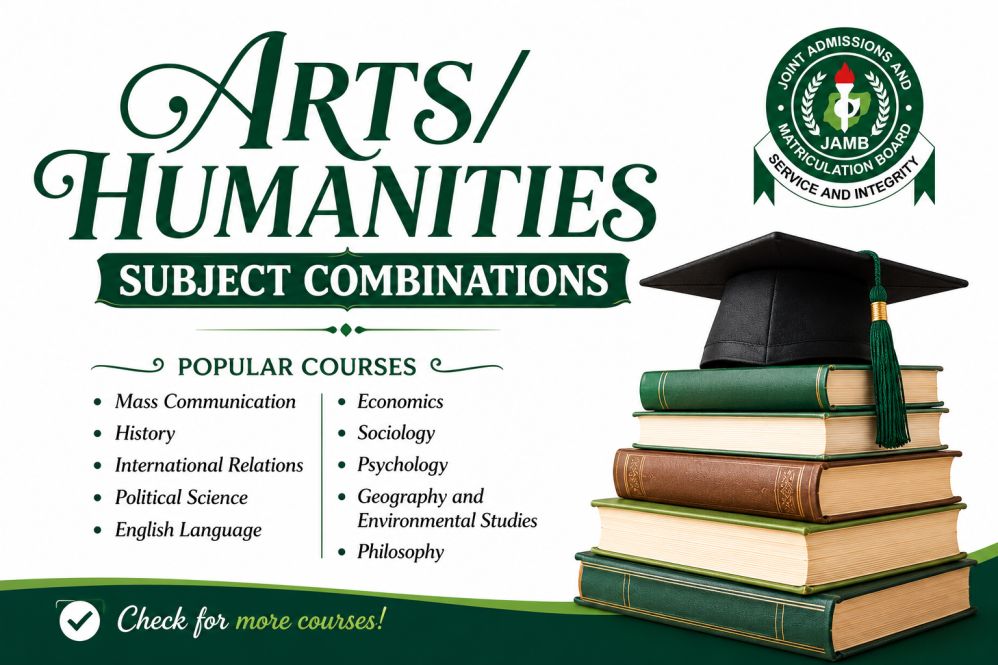
The JAMB brochure places Religion and Philosophy within Arts/Humanities and lists it separately from other religion-related programmes such as Religion and Science and Religious Studies.
Where Can Religion and Philosophy Graduates Work?
Career opportunities will depend on the graduate's interests, additional qualifications, experience and the requirements of the particular position. Possible areas include:
- Education and teaching, subject to the applicable professional requirements
- Religious and faith-based organisations
- Research and academic work
- Writing, editing and publishing
- Media and communication
- Non-governmental organisations
- Community and social development organisations
- Public communication and advocacy
- Cultural and heritage organisations
- Administrative and research-support roles
Education and Teaching
Graduates interested in education may pursue teaching and related educational opportunities where their qualification and any required professional credentials meet the conditions of the employer or regulatory body.
Research and Academic Work
The programme's emphasis on reading, interpretation, argument and research can provide a useful foundation for graduates who wish to continue into postgraduate study. Further study may allow a student to specialise in areas connected with religion, philosophy, ethics, theology or other related fields, depending on the postgraduate programme's entry requirements.
Writing and Communication
Religion and Philosophy students regularly engage with ideas, arguments and written materials. These abilities can be useful in roles involving writing, editing, content development, communication and research.
Transferable Skills That Matter
- Critical analysis
- Logical reasoning
- Research and information evaluation
- Written communication
- Public speaking and presentation
- Interpretation of complex ideas
- Independent thinking
Further Study Can Expand Your Options
Graduates who want to specialise can consider appropriate postgraduate programmes. The most suitable option will depend on the student's academic background and the specific requirements of the institution offering the postgraduate programme.
Religion and Philosophy should also be kept distinct from other similarly named programmes. The JAMB course listing treats Religion and Philosophy, Religion and Science and Religious Studies as separate programme names.
Candidates who want more information about the programme and admission document can refer to the material provided below.
UTME2027 Editorial Team
The UTME2027 Editorial Team publishes accurate, timely and well-researched JAMB news, admission updates, CBT preparation guides and official educational information for Nigerian students. Every article is reviewed before publication to ensure accuracy and clarity.