What Is Igbo? Understanding the Course, Areas of Study and What Students Learn in Art/Humanities
Contents
Igbo is an undergraduate programme focused on the study of the Igbo language, its literature, culture, history and different forms of expression. The programme provides students with a deeper understanding of Igbo as a Nigerian language while developing their ability to read, write, analyse and communicate effectively in it.
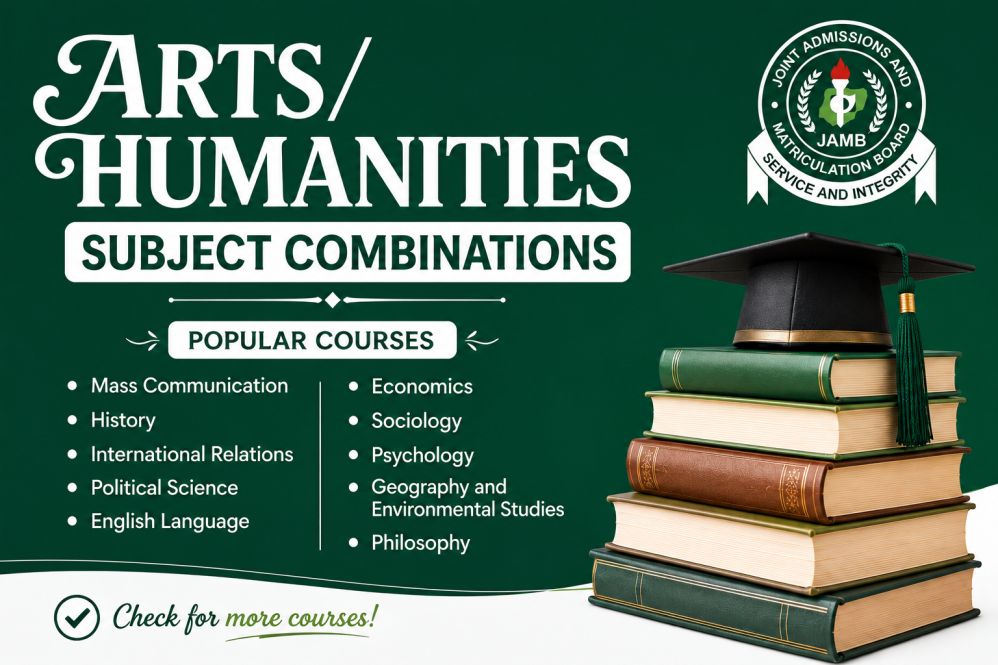
In the JAMB brochure, Igbo is listed under Arts/Humanities as a programme in the Faculty/School/College of Arts. The brochure also lists Igbo/Linguistics separately, so candidates should not treat the two course titles as the same programme.
What Do Students Study in Igbo?
The programme can expose students to different aspects of the language and its cultural setting. Depending on the institution, students may encounter areas such as:
- Igbo language and grammar
- Igbo literature
- Oral literature and traditions
- Igbo culture and civilisation
- Language and communication
- Igbo history and society
- Written and spoken Igbo
- Translation and interpretation
- Language development and preservation
- Research methods in language and humanities
The exact courses offered and how they are arranged will depend on the university.
The Main Focus of the Programme
Igbo is not simply about learning how to speak the language. At university level, students can study the structure and use of the language while also examining the literature, traditions and cultural practices associated with Igbo-speaking communities.
This makes the programme suitable for students who want to develop both language competence and a broader understanding of Igbo culture and intellectual traditions.
Who Should Consider Studying Igbo?
Igbo may be a good choice for candidates who have a strong interest in languages, literature, Nigerian culture, communication, teaching or research. It can also appeal to students who enjoy reading, writing and studying how language connects with society.
Skills Students Can Develop
During the programme, students can develop skills in written and oral communication, research, critical reading, language analysis, presentation and interpretation. Students may also develop a stronger appreciation of Nigerian languages and cultural heritage.
Igbo and Other Related Programmes
Candidates should carefully check the exact course title selected during admission registration. The Arts/Humanities list contains Igbo as course number 40 and separately lists Igbo/Linguistics as course number 41.
The admission requirements for one programme should therefore not automatically be transferred to the other.
What the Course Can Prepare You For
Because the programme combines language, literature and cultural study, it can provide a foundation for careers and further study connected with education, communication, language services, publishing, media, research and cultural work.
What Candidates Should Keep in Mind
Igbo is a specialised Arts/Humanities programme for students who want to study the language beyond ordinary conversational use. Candidates should also pay attention to the specific institution they choose because admission conditions can differ from one institution to another.
For additional admission details, candidates can refer to the document below.
UTME2027 Editorial Team
The UTME2027 Editorial Team publishes accurate, timely and well-researched JAMB news, admission updates, CBT preparation guides and official educational information for Nigerian students. Every article is reviewed before publication to ensure accuracy and clarity.