Religious Studies/Theology: What the Programme Involves and What Students Learn in Art/Humanities
Contents
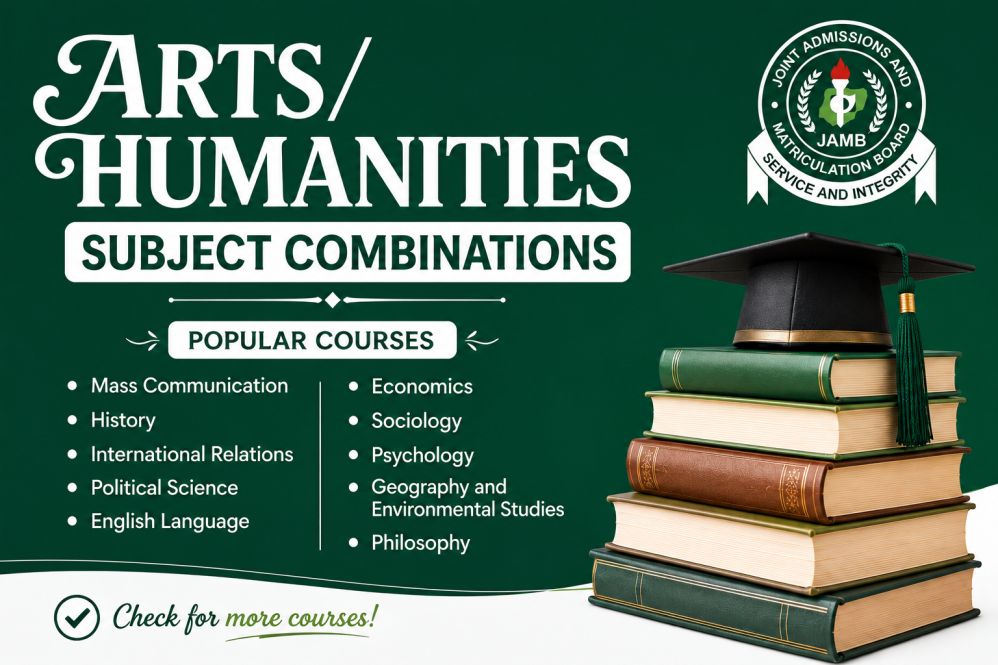
Religious Studies/Theology is listed as one of the programmes under the Arts/Humanities section of the JAMB brochure. It appears as a distinct course title in the general Arts/Humanities programme list, alongside Religious Studies and Theology as separate entries.
The course title brings together the academic study of religion and theology. It may therefore interest students who want to explore religious beliefs, traditions, texts, ideas, ethics and the place of religion in human society.
What Is Religious Studies/Theology?
Religious Studies/Theology focuses on the systematic study of religion and theological ideas. Students may examine religious traditions, beliefs, practices, sacred texts, moral questions and the ways religious thought has developed across different periods and societies.
The programme can also involve critical thinking and interpretation. Rather than simply learning religious facts, students may be expected to read, analyse, discuss and evaluate religious ideas and their relationship with individuals and society.
What Students May Learn
The exact course content depends on the institution and the structure of its programme, but a student in this field may encounter areas connected with:
- Religious beliefs and practices
- Theology
- Religious texts and interpretation
- Religious history
- Ethics and morality
- Philosophy of religion
- Religion and society
- Comparative study of religions
- Research and academic writing
- Critical analysis of religious ideas
Religious Studies and Theology
Although the two areas are closely related, the names do not necessarily mean exactly the same thing in every university. Religious Studies may take a broader academic approach to religion, while Theology can place greater emphasis on the systematic study of theological beliefs and doctrines.
Candidates should therefore pay attention to the exact programme title used by the institution rather than assuming that every course carrying a religious-studies-related name has the same structure.
Where Does It Fall in JAMB?
The JAMB brochure places Religious Studies/Theology under the Arts/Humanities programme list. The same list separately includes Religious Studies and Theology, showing that these titles should not automatically be treated as one identical course.
Who May Be Interested in the Programme?
Religious Studies/Theology may appeal to students who enjoy studying religion, culture, history, philosophy, ethics and human behaviour. It may also suit candidates who are comfortable with reading, discussion, interpretation and written analysis.
Skills Students Can Develop
- Critical thinking
- Research and academic writing
- Reading and interpretation
- Communication and presentation
- Analytical reasoning
- Understanding of religious and cultural ideas
- Discussion and argumentation skills
One Important Point for Candidates
The general Arts/Humanities list confirms the course title, but the detailed admission information must be checked carefully against the exact programme entry used by an institution. The brochure does not provide a separate detailed admission table entry under the exact title Religious Studies/Theology in the supplied document. Related programmes such as Religious Studies and Theology appear separately and should not have their requirements automatically transferred to this course.
For additional information on the programme and the admission structure, candidates can consult the document below.
UTME2027 Editorial Team
The UTME2027 Editorial Team publishes accurate, timely and well-researched JAMB news, admission updates, CBT preparation guides and official educational information for Nigerian students. Every article is reviewed before publication to ensure accuracy and clarity.